
Blog
Why Website Speed Is a Ranking Factor for Moroccan Businesses in 2026


Introduction
In 2026, website speed is no longer just a user experience concern—it is a critical ranking factor for Google and a key driver of conversions. Moroccan businesses that ignore website performance risk losing traffic, leads, and revenue, even if their content and marketing are top-notch.
With increasing mobile usage, higher competition, and impatient users, Moroccan companies must prioritize fast, optimized websites to remain visible and profitable. This article explains why website speed matters for rankings, user engagement, and conversions in Morocco, and how businesses can optimize it effectively.
1. Google’s Speed Metrics and Moroccan SEO
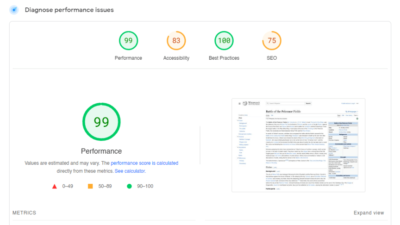
Google has long emphasized speed as a ranking signal. In 2026, Google evaluates websites using Core Web Vitals, which measure:
-
Largest Contentful Paint (LCP): How quickly the main content loads
-
First Input Delay (FID): How responsive your site is to user interactions
-
Cumulative Layout Shift (CLS): Stability of visual content as it loads
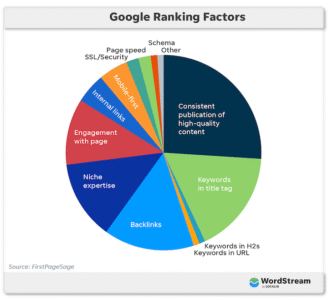
Websites with poor speed metrics are penalized in search rankings, even if they have high-quality content. For Moroccan businesses targeting competitive keywords like “digital marketing Casablanca” or “web design Rabat”, speed optimization is essential for SEO success.
2. User Experience (UX) Depends on Speed
Moroccan users are increasingly impatient. Studies show that websites taking more than 3 seconds to load experience significant bounce rates.
Impact of slow websites:
-
Users leave before seeing content
-
Lower engagement and session duration
-
Reduced trust in the brand
Fast websites improve UX by:
-
Providing immediate access to content
-
Keeping users engaged longer
-
Increasing the likelihood of conversions
📌 In Morocco’s mobile-first market, speed directly affects both visibility and customer satisfaction.
3. Conversion Rates Improve with Faster Websites
Website speed has a direct correlation with conversions. Even a one-second delay can reduce conversion rates by 7–12%.
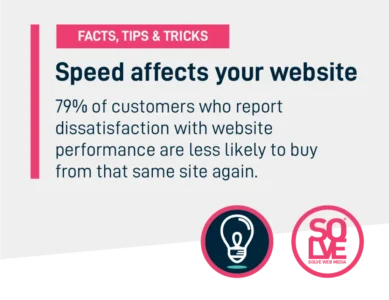
For Moroccan businesses:
-
E-commerce stores lose sales
-
Service providers miss leads
-
Startups waste advertising spend
Optimizing speed ensures that traffic from SEO, social media, and paid ads converts efficiently. Fast-loading pages also enhance retargeting campaigns and reduce ad costs.
4. Mobile-First Speed Optimization
Morocco is a mobile-first country, with most users browsing and shopping via smartphones. Mobile performance is now a ranking factor in Google’s algorithm.
Mobile speed best practices:
-
Responsive design optimized for mobile screens
-
Minimized heavy images and videos
-
Accelerated Mobile Pages (AMP) for news or content-heavy sites
-
Optimized JavaScript and CSS for faster rendering
A mobile-optimized site ensures Moroccan users stay longer and engage more.
5. Technical Optimizations That Improve Speed
Several technical strategies help Moroccan businesses improve website speed:
-
Image compression: Use formats like WebP
-
Lazy loading: Load images only when users scroll
-
Browser caching: Store data locally to reduce repeated load times
-
Content Delivery Network (CDN): Serve content from servers closer to the user
-
Minimal plugins and scripts: Reduce page complexity
Even small optimizations significantly improve both SEO rankings and user experience.
6. Hosting and Infrastructure Matter
Fast websites require reliable hosting. Many Moroccan businesses underestimate this factor.
Hosting considerations:
-
Use high-performance servers
-
Opt for SSD storage
-
Ensure proper server configuration for caching
-
Use a CDN for regional optimization
A high-quality hosting provider reduces downtime, latency, and slow page load, improving Google rankings and conversions.
7. Monitoring and Continuous Improvement
Website speed is not a one-time fix. Moroccan businesses must monitor performance continuously using tools like:
-
Google PageSpeed Insights
-
GTmetrix
-
Lighthouse
-
WebPageTest
Regular monitoring allows businesses to:
-
Identify slow-loading pages
-
Optimize new content for speed
-
Maintain high Core Web Vitals scores
📌 Continuous speed optimization keeps your website competitive in 2026 and beyond.
Conclusion: Website Speed Is a Core Competitive Advantage
In 2026, website speed is a ranking factor, user experience driver, and conversion booster. Moroccan businesses that ignore speed risk losing traffic, leads, and revenue.
To optimize for 2026, Moroccan businesses should:
✅ Prioritize Core Web Vitals (LCP, FID, CLS)
✅ Optimize for mobile-first browsing
✅ Use technical improvements (image compression, lazy loading, caching)
✅ Invest in high-performance hosting and CDNs
✅ Monitor and optimize continuously
Website speed is no longer optional—it is a strategic performance factor that determines visibility, engagement, and profitability for Moroccan businesses online.
⚡ 8. The Hidden Cost of Slow Websites in Morocco
Many Moroccan businesses underestimate how expensive a slow website actually is. The damage is not always visible in analytics at first, but it compounds over time.
A slow website leads to:
- Lower Google rankings → less organic traffic
- Higher bounce rates → wasted advertising spend
- Reduced trust → fewer returning visitors
- Poor mobile experience → lost local customers
📌 In practice, a slow website silently increases customer acquisition costs while reducing revenue efficiency.
For businesses in competitive cities like Casablanca, Rabat, and Marrakech, this can mean losing clients directly to faster competitors.
🧠 9. Perceived Speed vs Actual Speed
One important concept in modern UX and SEO is that perceived speed matters as much as real speed.
A website can technically load in 3 seconds but still feel slow if:
- Nothing appears immediately on screen
- Layout shifts while loading
- Users cannot interact quickly
- Visual feedback is missing
To improve perceived performance, Moroccan businesses should:
- Load above-the-fold content first
- Use skeleton loaders instead of blank screens
- Prioritize visible content rendering
- Reduce unnecessary animations during load
📌 A website that feels fast often performs better in conversions, even if backend speed is similar.
🔍 10. Speed and SEO: Beyond Rankings
While Core Web Vitals directly impact rankings, speed also influences SEO indirectly through user behavior signals.
Google observes:
- How long users stay on your site
- Whether they return to search results quickly
- How many pages they visit
Slow websites typically generate:
- Higher bounce rates
- Lower engagement
- Reduced dwell time
This sends negative signals to search engines, which can further reduce rankings over time.
📌 In Morocco’s competitive SEO landscape, speed is both a direct and indirect ranking factor.
📱 11. The Mobile Performance Gap in Moroccan Websites
A major issue in Morocco is the performance gap between desktop and mobile versions of websites.
Many sites:
- Load well on desktop but poorly on mobile
- Use heavy images not optimized for small screens
- Rely on scripts that slow down mobile browsers
Given that the majority of Moroccan users browse via smartphones, this gap is critical.
To close it:
- Prioritize mobile-first design during development
- Test performance on real mobile devices
- Reduce mobile data consumption
- Optimize touch interactions and responsiveness
📌 Mobile speed is not a feature—it is the default standard.
⚙️ 12. Advanced Performance Optimization Techniques
Beyond basic optimizations, advanced strategies can significantly improve performance:
🔹 Code splitting
Load only the necessary JavaScript for each page.
🔹 Server-side rendering (SSR)
Improve initial load speed for dynamic websites.
🔹 Preloading critical resources
Prioritize fonts, CSS, and key scripts.
🔹 Database optimization
Clean unnecessary queries and reduce backend load.
🔹 Edge computing / CDN caching
Deliver content closer to Moroccan users geographically.
These techniques are especially important for large e-commerce and SaaS platforms.
📊 13. Speed Optimization as a Business Strategy
Website speed is no longer just a technical concern—it is a business strategy.
Faster websites lead to:
- Higher SEO visibility
- Lower advertising costs (better Quality Score in ads)
- Higher conversion rates
- Stronger brand perception
📌 In 2026, speed directly impacts profitability—not just performance.
🔐 14. Common Mistakes Moroccan Businesses Make
Many businesses unintentionally slow down their websites due to avoidable mistakes:
- Uploading uncompressed images
- Installing too many plugins
- Using low-quality hosting
- Ignoring mobile optimization
- Not testing performance regularly
These issues often accumulate over time, making websites slower without the owner realizing it.
Regular audits are essential to maintain optimal performance.
🚀 Final Expansion: Speed as a Competitive Advantage in Morocco
In a digital market where attention spans are shrinking, website speed becomes a decisive competitive advantage.
Two businesses can have:
- Similar services
- Similar pricing
- Similar marketing strategies
But the faster website will consistently:
👉 Rank higher
👉 Convert more visitors
👉 Generate more revenue
🏁 Final Thought
In 2026, Moroccan businesses that prioritize website speed are not just improving performance—they are building a foundation for sustainable digital growth.
Speed is no longer a technical detail. It is a core business asset that influences visibility, trust, and revenue at every stage of the customer journey.