
Blog
E-E-A-T and Content Quality: The New SEO Ranking Factor in 2026

In 2026, the SEO landscape is undergoing a fundamental transformation. Gone are the days when keyword stuffing and backlinks alone could guarantee top rankings. Today, search engines are prioritizing what Google calls E-E-A-T — Experience, Expertise, Authoritativeness, and Trustworthiness — as the cornerstone of ranking success. This shift represents one of the most significant SEO trends for content creators, businesses, and digital marketers to understand and implement. But what does it really mean, and how can you leverage it to dominate your niche?
What Is E-E-A-T in SEO?
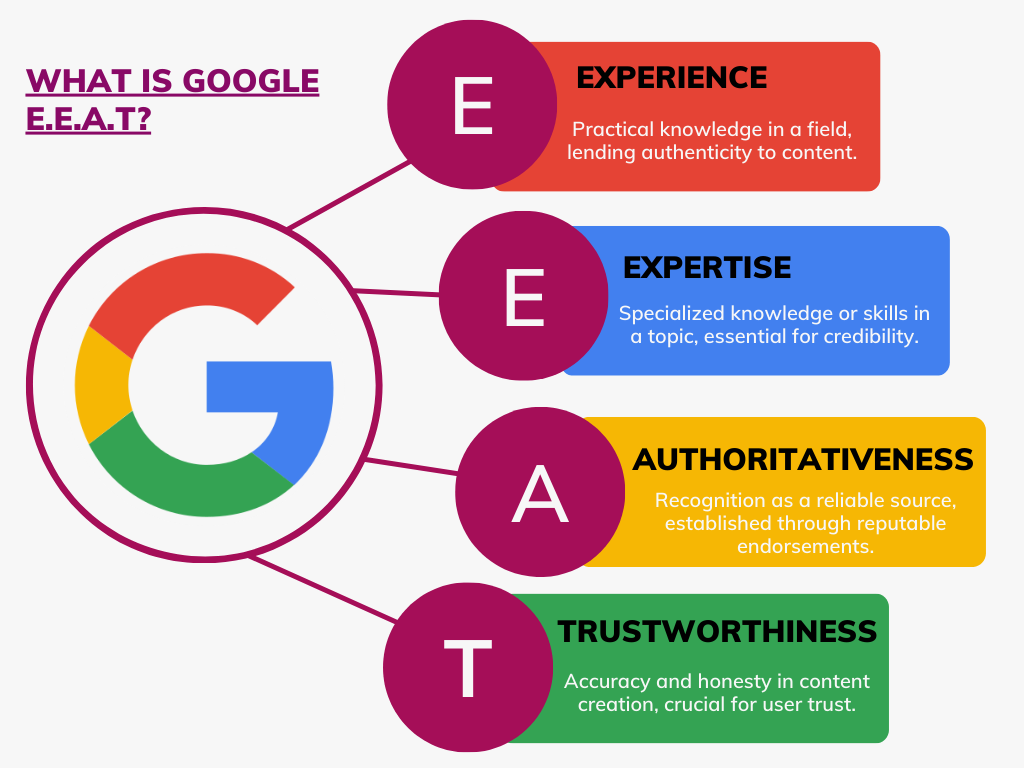
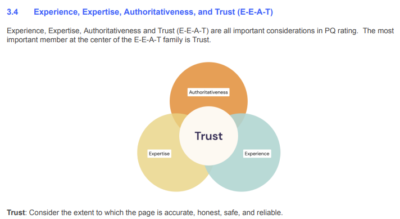
E-E-A-T is a quality rater guideline used by Google to evaluate the credibility and usefulness of web content. Let’s break down each component:
- Experience: Does the content creator have firsthand knowledge or personal experience with the topic? Are they sharing real-world lessons, case studies, or lived examples?
- Expertise: Do you possess specialized knowledge, credentials, or skills in this field? Have you demonstrated mastery through education, certifications, or professional experience?
- Authoritativeness: Is your content recognized as a trusted source within your industry? Do other credible websites, publications, and experts reference your work?
- Trustworthiness: Can readers trust the information you’re sharing? Is it accurate, transparent, and backed by credible sources?
Why E-E-A-T Matters More Than Ever in 2026
The rise of AI-generated content has forced Google to double down on quality signals. 86% of SEO professionals now use AI in their workflows, but here’s the critical insight: AI-written content that appears in top 10 results only represents about 17% of search results. The remaining 83% — and virtually all of the top positions — are dominated by content that demonstrates genuine E-E-A-T. This creates a massive opportunity for businesses and creators willing to invest in authentic, experience-driven content. While competitors are churning out generic AI articles, you can establish yourself as the definitive authority in your space. 
How to Build E-E-A-T in Your Content
1. Lead with Your Unique Experience
Don’t just explain concepts — show how you’ve applied them. Include:
- Case studies from your own work
- Personal success stories and lessons learned
- Behind-the-scenes insights and processes
- Original screenshots, photos, and videos
2. Showcase Your Credentials
Make your expertise undeniable by:
- Listing relevant certifications and degrees
- Highlighting years of industry experience
- Sharing speaking engagements and publications
- Building an authoritative author bio linking to your credentials
3. Demonstrate Authoritativeness
Become the go-to resource by:
- Guest posting on reputable industry publications
- Building backlinks from high-authority websites
- Earning mentions and citations from industry leaders
- Creating comprehensive resources that other experts reference
4. Establish Trust Through Transparency
Build credibility by being honest about:
- Your sources and citations
- Potential biases or conflicts of interest
- What you don’t know or uncertain about
- Real customer reviews and testimonials
E-E-A-T Content Wins in 2026
The content format that’s winning in 2026 looks completely different from generic blog posts:
- Niche, Highly-Specific Content: Broad advice is becoming invisible. Content that feels custom-made for your exact audience outperforms generic guides.
- Persona-Driven Strategy: Instead of chasing keywords, successful creators develop 3-5 detailed buyer personas and create content specifically addressing their problems and workflows.
- Original Media: Search engines treat original photos, videos, and graphics as quality signals. AI-generated images and templates? The opposite.
- Long-Form Thought Leadership: Articles that combine deep expertise with personal insights consistently outrank thin, keyword-optimized content.
AI and E-E-A-T: The Future-Proof Strategy
The future doesn’t belong to those who use AI best — it belongs to those who combine AI efficiency with authentic, experience-driven content. Here’s how:
- Use AI for research, outlines, and brainstorming
- Write the core insights from your own experience
- Have AI assist with editing and expansion, but maintain your authentic voice
- Add original examples, data, and visual assets
- Fact-check everything before publishing
This hybrid approach gives you the efficiency of AI without sacrificing the authenticity that search engines now reward. 
Actionable Next Steps
Ready to implement E-E-A-T in your 2026 content strategy?
- Audit your top 10 performing articles: Add original examples, case studies, and credentials that showcase your E-E-A-T.
- Update your author bio: Transform it into a credibility statement that proves your expertise in your niche.
- Create original assets: Invest in custom graphics, photography, and video content.
- Build strategic partnerships: Collaborate with other experts to increase citations and mentions.
- Develop deeper expertise: Take courses, earn certifications, and stay ahead of trends in your industry.
Final Thoughts
In 2026 and beyond, E-E-A-T isn’t just an SEO strategy — it’s a business strategy. The search engines are essentially rewarding you for being a genuine expert and trusted authority. This benefits not only your rankings but your entire brand reputation, customer loyalty, and long-term business growth. The businesses that win won’t be those with the smartest algorithms or most AI-generated content. They’ll be the ones who combine deep expertise with authentic storytelling, backed by genuine experience and measurable results. Start building your E-E-A-T foundation today, and you’ll be positioned to dominate search results for years to come.
Frequently Asked Questions
How long does it take to see results in Digital Marketing?
The timeline for digital marketing results varies depending on the strategies employed. For instance, Search Engine Optimization (SEO) typically takes 3 to 6 months to show significant organic growth, as search engines need time to index and rank your content. On the other hand, Pay-Per-Click (PPC) advertising or Social Media Ads can generate immediate traffic and leads within hours of launching a campaign. The best approach usually involves a mix of both short-term and long-term strategies to ensure consistent growth.
Why is having a mobile-friendly website so important?
In today’s digital landscape, the majority of web traffic comes from mobile devices. If your website is not optimized for smaller screens, users will experience a frustrating interface, leading to high bounce rates. Furthermore, Google uses mobile-first indexing, meaning it predominantly uses the mobile version of the content for indexing and ranking. A responsive, mobile-friendly design is no longer just a luxury—it is a critical requirement for both user experience and search engine visibility.
Can AI replace human creativity in content generation?
While Artificial Intelligence (AI) tools have made incredible leaps in generating text, images, and basic code, they cannot fully replace human creativity and strategic thinking. AI is best used as a powerful assistant—it can help brainstorm ideas, draft outlines, and analyze large datasets quickly. However, the unique voice, emotional intelligence, and nuanced understanding of a brand’s specific audience still require a human touch to truly resonate and build authentic connections.
What makes a website convert visitors into customers?
A high-converting website combines several key elements: a clear value proposition, intuitive navigation, fast loading speeds, and compelling Calls-to-Action (CTAs). Trust signals such as client testimonials, case studies, and secure payment icons also play a massive role. The user journey must be frictionless, meaning every step from landing on the homepage to completing a purchase or filling out a contact form should be incredibly simple and straightforward.
Continuing from the FAQ section:
How often should I update my website content?
Regular content updates are essential for maintaining strong search engine rankings and keeping your audience engaged. While there is no universal schedule, reviewing and refreshing important pages every 3 to 6 months is a good practice. Updating outdated statistics, adding new insights, improving visuals, and expanding content based on current trends can help preserve relevance and demonstrate ongoing expertise to both users and search engines.
What is the difference between SEO and PPC?
SEO (Search Engine Optimization) focuses on improving your website’s visibility in organic search results through content optimization, technical improvements, and authority building. PPC (Pay-Per-Click) advertising allows businesses to appear in sponsored search results by paying for clicks. SEO generally delivers sustainable long-term growth, while PPC provides immediate visibility and faster lead generation. Many successful businesses use both strategies together to maximize their online presence.
How important are backlinks for SEO in 2026?
Backlinks remain an important ranking factor, but quality has become far more important than quantity. Search engines now place greater emphasis on links earned naturally from reputable, relevant websites rather than large volumes of low-quality links. The most valuable backlinks come from trusted industry publications, authoritative blogs, and respected organizations that genuinely recognize your expertise and content value.
What role does user experience play in search rankings?
User experience has become one of the strongest signals influencing search performance. Fast-loading pages, intuitive navigation, mobile responsiveness, accessible design, and engaging content all contribute to positive user interactions. When visitors spend more time on your website, explore multiple pages, and successfully find the information they need, search engines interpret these behaviors as indicators of quality and relevance.
Should small businesses focus on local SEO?
Absolutely. Local SEO is one of the most effective digital marketing strategies for businesses serving specific geographic areas. Optimizing your business profile, collecting customer reviews, creating location-specific content, and maintaining consistent contact information across directories can significantly improve visibility in local search results. For many small businesses, local SEO often delivers a higher return on investment than broader national campaigns.
How can businesses measure the success of their digital marketing efforts?
Success should be measured through clearly defined Key Performance Indicators (KPIs) that align with business goals. Common metrics include organic traffic growth, lead generation, conversion rates, customer acquisition cost, return on ad spend, keyword rankings, and customer lifetime value. Tracking these metrics consistently allows businesses to identify what’s working, optimize campaigns, and allocate resources more effectively.
The Bottom Line
Digital marketing continues to evolve at an unprecedented pace, driven by advances in technology, changing consumer behavior, and increasingly sophisticated search engine algorithms. Success in 2026 is no longer about finding shortcuts or exploiting algorithm loopholes. Instead, it comes from building genuine authority, creating valuable content, and delivering exceptional experiences that help users achieve their goals.
Organizations that embrace innovation while maintaining authenticity will be best positioned for sustainable growth. By combining strategic SEO, user-focused content, data-driven decision-making, and a strong commitment to E-E-A-T principles, businesses can build lasting visibility, stronger customer relationships, and a competitive advantage that extends far beyond search rankings.
As the digital landscape continues to evolve, one principle remains constant: the brands that provide the most value, demonstrate real expertise, and earn the trust of their audience will continue to thrive.